From prompts to products, fast
10,000 prompts across 10 categories, delivered with clear PLR rights, training, and support.
Prompt Libraries as Reusable Creative Infrastructure
Mid‑Journey Prompt Vault PLR is built around a simple idea: prompts are not “magic words,” they’re specification. When you treat a prompt like a spec—subject, style anchors, composition, lens/lighting cues, materials, and constraints—you can generate visuals with repeatable structure instead of one‑off luck. The vault exists to remove friction between an idea and a shippable asset by providing a large set of tested prompt frameworks, organized by outcome so you can work like a producer: pick a category, generate controlled variations, and package the results into products. The turning point was permission. Many creators can distribute, but get stuck on consistent production and unclear usage rights. This vault pairs a structured prompt library with explicit Private Label Rights (PLR) so the intent is unambiguous: you can rebrand, edit, bundle, resell, or use the prompts as the backbone of commercial offers—logo packs, icon sets, clipart bundles, coloring pages, KDP assets, and more. Under the hood, the work is methodical: define the output a category should reliably produce, design prompt templates with stable anchors, stress‑test for predictability across edits, normalize formatting for fast scanning, then package with guidance so prompts translate into deliverables. The philosophy is ethical, practical, and composable: ethical because rights need clarity; practical because prompts should be usable without days of tinkering; composable because the most useful digital products are systems—sets, collections, and repeatable workflows.
1.
10,000 prompts organized by outcome, not by novelty
The vault is structured across 10 categories so you browse for what you need to produce (icons, portraits, ads, characters, etc.) rather than digging through untagged documents. Each category is designed to support quick iteration and variation without losing a consistent visual direction.
2.
Private Label Rights written for commercial use
This is not limited to personal experimentation. The included PLR license is intended for creators who need a clear rule set: rebrand the prompts, modify them, bundle them, resell them, or incorporate them into paid products and client workflows with explicit permission.
3.
Prompt frameworks with stable anchors and stress testing
Prompts are built as reusable templates—subject + style + composition + technical cues—so small edits don’t break the output. The library is curated and normalized for readability, which matters when you’re producing many assets and need predictable behavior.
4.
Implementation support for shipping deliverables
Alongside instant access, the product includes guidance on turning prompts into product-ready outputs (iteration, standardizing a “house style,” packaging into sets) plus 24/7 support and a 30‑day guarantee so you can test fit in a real workflow.
Products & Support Layers
The Prompt Vault (10,000 prompts / 10 categories)
A structured library of Midjourney prompt frameworks organized by intended outcome, so you can browse by what you’re trying to generate (e.g., cohesive icons, controlled photoreal portraits, consistent characters) instead of hunting through messy notes. Prompts are normalized for readability and built with stable anchors—subject, style, lighting/lens cues, composition, mood—so results stay repeatable when you iterate.
PLR License (commercial clarity)
Private Label Rights are included so you can use the prompts commercially with explicit permission: rebrand, edit, bundle, resell, or incorporate them into your own offers. The point is to remove uncertainty—this is designed to be used as a legitimate foundation for products like asset packs, KDP/Etsy visuals, client deliverables, memberships, and bonus libraries.
Training (from prompts to shippable outputs)
Implementation guidance focused on process, not hype: how to iterate without breaking consistency, how to standardize a “house style,” and how to turn generated images into deliverables people can actually use (packs, collections, templates, and repeatable product lines).
What’s inside the Vault
01.
A prompt library designed for repeatable outcomes
You get 10,000 Midjourney prompts organized across 10 categories, built as frameworks with stable “anchors” (subject, style, lighting, composition, mood). The goal isn’t novelty—it’s consistency you can iterate on and reuse across a product line.
02.
Rights that are explicit, not implied
The vault comes with full PLR so you can rebrand, edit, bundle, resell, or use the prompts as the backbone of commercial offers. The point is clarity: you should know what you can ship, sell, and publish—without guessing.
03.
Built for composing products, not collecting files
Prompts are organized by intent so you can move from an outcome (“cohesive icons,” “portrait lighting control,” “ad-style product shots”) to a set of usable variations. That makes it easier to build packs, collections, lead magnets, bonuses, or membership libraries.
04.
Support that helps you ship, plus a safety net
Instant access is paired with straightforward training and 24/7 support, so you can turn prompts into deliverables instead of getting stuck in trial-and-error. You also get a 30-day money-back guarantee to test whether it fits your workflow.
Benefits
Mid‑Journey Prompt Vault PLR is built on a simple belief: creativity becomes useful when it’s repeatable, organized, and legally clear. Prompts aren’t treated as “clever lines”—they’re scaffolding you can reuse to produce consistent visuals, then package into assets people actually want. The vault exists to help you move from experimentation to a workflow you can ship with confidence.
01.
From guessing to a repeatable workflow
Instead of collecting half-working prompts in scattered notes, you start with frameworks designed for predictable outcomes. The prompts use stable anchors (subject, style, lighting, composition) so you can generate variations without losing coherence—especially when you need sets, not one-offs.
02.
Browse by outcome, not by chaos
10,000 prompts are only helpful if you can find what you need quickly. The vault is organized across 10 categories so you can choose a direction (icons, portraits, characters, commercial scenes, etc.) and get to usable results without digging through noise.
03.
Clear rights that support real publishing
The PLR license is the permission layer that makes the library practical. You can rebrand, edit, bundle, resell, or use the prompts inside your own offers—so you’re building on a foundation you’re allowed to use commercially, not vague “inspiration.”
FAQ
01.
What am I actually buying?
You’re buying a structured library of 10,000 Midjourney prompts across 10 categories, plus a PLR license. The goal is not “cool one-offs,” but repeatable prompt frameworks you can reuse and adapt to produce consistent outputs.
02.
What does “full PLR rights” mean in practical terms?
It means you can use the prompts commercially: rebrand them, edit them, bundle them, include them as bonuses, or resell them. The point of PLR here is clarity—so you’re not guessing whether you have permission to build products on top of the library.
03.
Do I need design skills or prompt-engineering experience to use this?
No. The prompts are designed to be copy-and-paste usable and organized by outcome so you can start from a category and iterate. You’ll still make creative choices, but you don’t have to invent a prompting system from scratch.
04.
What can I realistically create with these prompts?
Most customers use them to generate assets that ship well as digital products: logo and brand packs, icon sets, clipart bundles, social graphics, coloring pages, poster sets, book covers, mockups, and other visual libraries. The vault is designed to support sets and collections, not isolated images.
I bought the vault to speed up my Etsy workflow and it delivered immediately. The prompts are actually organized by outcome, so I stopped wasting time “guessing” what to type in Midjourney. I used the icon and clipart categories to build two cohesive bundles, rebranded them under my shop name, and had new listings live the same week. The PLR terms are clear, and the training helped me standardize a consistent style across a whole product line.
— Rhiannon Vale
Pricing
Choose how you want to use the vault. Every option is built around the same idea: prompts are reusable scaffolding—organized frameworks you can rely on—paired with clear rights so you can publish under your own brand with confidence. All plans include instant access, training, 24/7 support, and a 30‑day money‑back guarantee.
Create
undefined 9.95 undefined
- 10,000 Midjourney prompts
- Organized across 10 categories (browse by outcome)
- Copy‑and‑paste prompt frameworks for repeatable results
- Training + 24/7 support
- 30‑day money‑back guarantee
Publish
undefined 9.95 undefined
- Everything in Create
- Full PLR license (rebrand, edit, bundle, resell)
- Use prompts as the backbone for digital products (packs, collections, memberships)
- Clear documentation for ethical commercial use
Studio
undefined 19.95 undefined
- Everything in Publish
- Faster workflow guidance: build a consistent “house style”
- Packaging guidance: turn outputs into shippable sets (icons, clipart, covers, posters, etc.)
- Priority help for implementation questions
From Intent to Inventory
01.
Define the outcome
We start by deciding what a category must reliably produce—icons that feel cohesive, portraits with controlled lighting, characters that stay consistent. The goal is repeatability, not one lucky result.
02.
Build prompt frameworks
We write prompts as templates with stable anchors (subject, style, composition, lighting, mood, materials). You can copy, paste, and then edit small parts without the whole result falling apart.
03.
Stress-test and normalize
We run variations to make sure prompts tolerate changes and still behave predictably. Then we remove redundancy, tighten language, and standardize formatting so the library stays usable at scale.
Proof of Structure, Rights, and Repeatability
The vault is built on a simple idea: prompts should behave like reusable scaffolding—clear intent, predictable outputs, and licensing that makes commercial use unambiguous. These sets show how I turn “cool images” into repeatable systems creators can ship under their own brand.
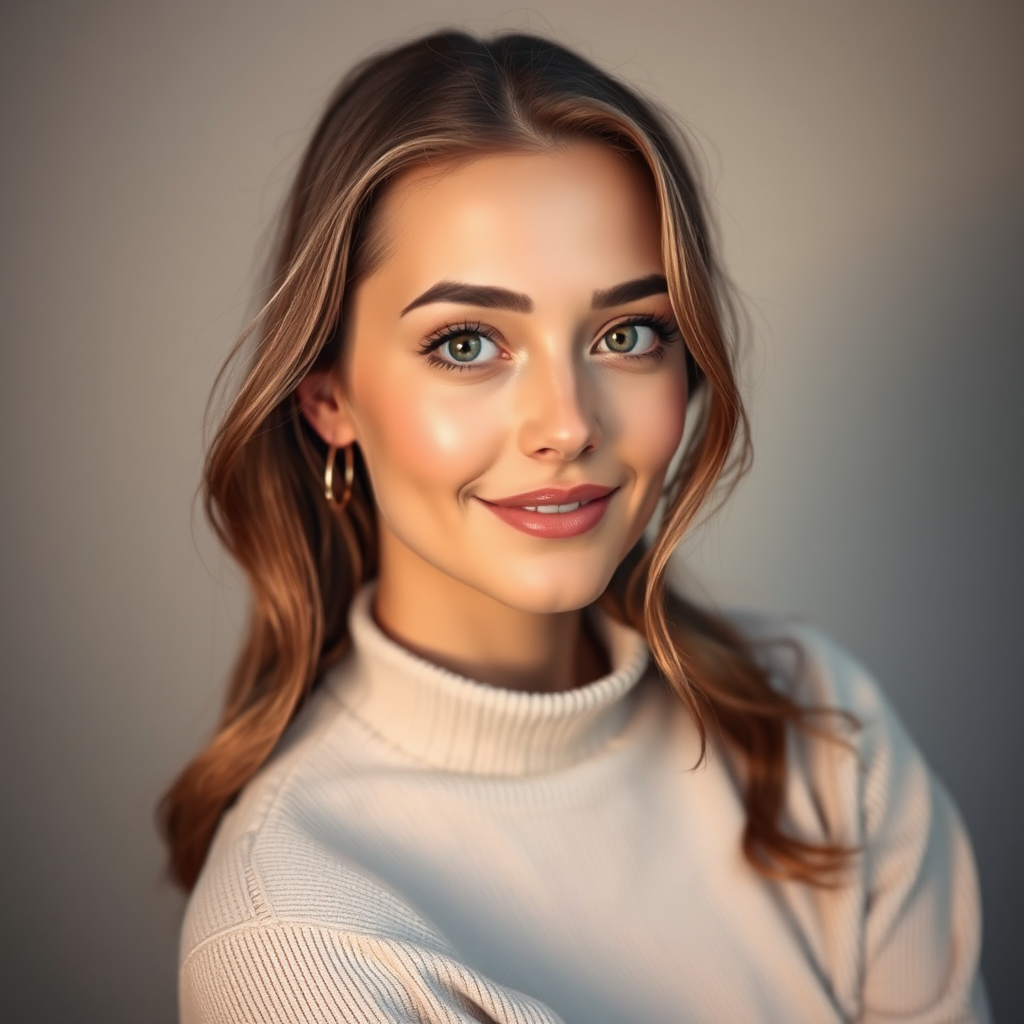
Photoreal Portrait Studio Series
I designed this series to make portraits feel like controlled photography, not lucky AI accidents. The prompts use stable anchors—lens choice, aperture, lighting patterns, background handling, and mood—so you can iterate without losing realism or consistency. The goal is composable portrait output that can support covers, brand visuals, and editorial-style assets with predictable results.

Cartoon Character Foundry
This set exists to solve the hardest part of character work: continuity. I built prompt frameworks around character identity (features, wardrobe, proportions), style anchors (2D/3D, line quality, rendering), and scene constraints so expressions, poses, and environments can change without the character “drifting.” It’s meant for building coherent sets—sticker sheets, coloring books, and product families—rather than isolated one-offs.